There’s no “typical procedure” for caring for your pets after surgery. Some will need to stay overnight in the hospital for monitoring, while others can be discharged within the same day of their surgery.
It all depends on their age, health, and what type of surgery they had. Your veterinarian will give you specifics for your dog or cat. However, there are typical recommendations that can help your dog or cat recover sooner.
5 Recommendations That Will Help Your Dog or Cat Heal Quicker
It’s normal for your pet to be sleepy and lethargic for a day or two after returning home. In fact, resting will help your pet recover quicker, so don’t be concerned if they just nap for the first day or so after coming home. Rest is essential!
However, you will want to keep an eye on them, and here’s what you can expect.
1- Restrict Activity
Surgery is invasive, so the more your dog or cat stays still, the easier it will be for them to heal and the tissues to repair properly. Moving around can make it tougher for the tissues to heal which increases the risk of infection.
Broadly speaking, restrictive activity means no running, jumping, or roughhousing, though you'll talk with your veterinarian about specifics for your pet. A typical spaying/neutering can mean a few days of restriction, while major surgery like repairing broken bones can mean activity restriction for six weeks or more.
When you return home, if possible, let your pet recover in a comfortable, safe space they choose. If you have other pets, you may need to restrict their activity around your recovering patient. Again, you know your animals, so discuss with your veterinarian and use your judgment.
2- Watch for Unusual Behavior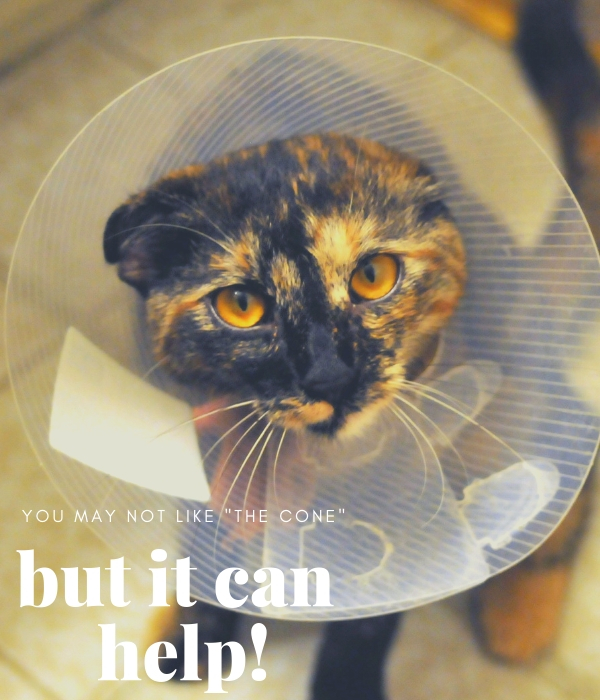
Anesthesia and surgery affect every animal differently, which is why it’s essential to keep an eye on them for odd behavior as they recover. The first 24-48 hours are especially critical, so if you notice any type of unsteady gait, trouble breathing, vomiting, or lack of appetite, please call your veterinarian.
3- Prevent Licking
No one loves the cone collars, but they do prevent dogs and cats from licking surgical areas. Licking can introduce bacteria into suture sites and cause an infection. So if you can prevent your pet from licking the area without the Elizabethan collar, fine, but if you need one, don’t hesitate to use it!
4- Medications
You may be sent home with antibiotics and/or pain medications. Please follow your veterinarian’s instructions to the letter, and never offer your dog or cat human medication as they could be toxic.
5- Supervise Bathroom Activities
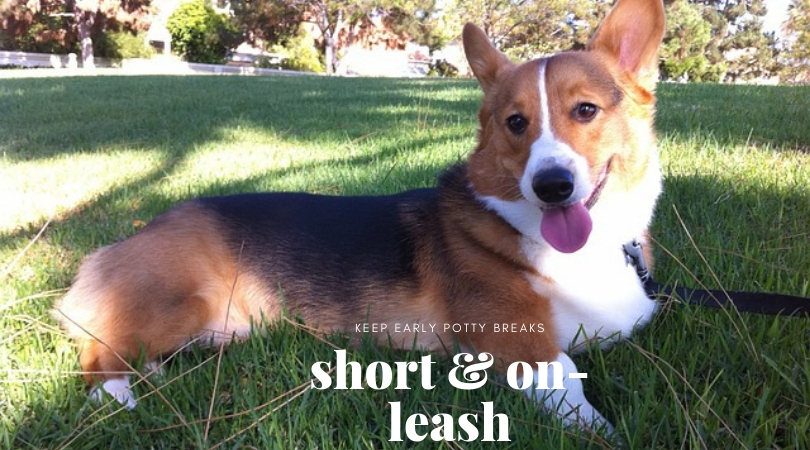
Part of restricting your pet’s behavior is monitoring outdoor activities. Keep your dog on a leash, and keep those outside potty trips short. Quick forays into the backyard should be sufficient in the early days.
As you can see, post-surgical pet recovery is all about resting and following your veterinarian’s instructions. At the veterinary hospital, we’ve monitored them until we feel they’re ready to go home. We require them to be aware of their surroundings, and we check for those "normal" behaviors like chewing, swallowing, and walking before they go home. We consider you part of their post-operative recovery process, and we're here if you have any questions about your pet’s recovery!