Rabbit Care in Sarasota, FL
If you are considering homing a rabbit or currently have a rabbit as a pet, we are proud to offer health care for your cotton-tail friend at University Animal Clinic. We know rabbits can be great pets for families and individuals alike, but they need special health care to keep them hopping and happy. As a practice that sees rabbits regularly, we want pet parents to feel confident about day-to-day husbandry, nutrition, behavior, and when to seek medical care for their pet. If you have questions at any point, our team at University Animal Clinic in Sarasota, FL is here to help! You can always call us at (941) 253-5218.
Nutrition: What Do Rabbits Eat?
One of the first questions we get from new rabbit owners is, "What should I feed my rabbit? Are pellets okay?" The answer is yes, but with other supportive foods to ensure your rabbit has a well-rounded, fibrous diet. Rabbits are herbivores and hindgut fermenters, built for a high-fiber diet that keeps the gastrointestinal (GI) tract moving and teeth properly worn. It's important to know that diet errors are a leading cause of illness, so feeding your rabbit correctly makes an enormous difference.
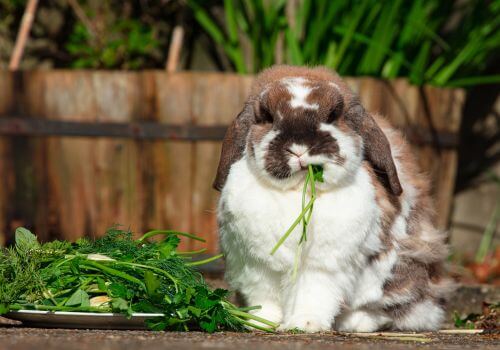
- Unlimited grass hay: Offer fresh timothy, orchard grass, or similar hay at all times. Hay provides fiber for GI motility and dental wear. Alfalfa is generally for growing kits or underweight/special-needs adults, not healthy adults.
- Leafy greens: Provide a daily variety of leafy greens such as romaine, green leaf, red leaf, cilantro, basil, bok choy, endive, and carrot tops. Introduce new greens gradually and continuously rotate.
- Quality pellets: Plain, timothy-based pellets can be given in addition to hay and leafy greens. Be sure there are no seeds, corn, or colorful bits in your mix! Portions are typically modest and individualized by your vet based on age, weight, and health.
- Treats & fruit: Offer rabbit-safe treats sparingly. Safe fruit, like small pieces of apple without seeds, blueberries, or strawberries, should be eaten occasionally. Avoid high-sugar treats and gas-producing veggies.
- What rabbits should not eat: Avoid iceberg lettuce, onions, garlic, chocolate, seeds/nuts, bread/crackers, and any processed human foods. “Carrots” are a treat—not a staple—due to sugar content.
Unsure about portions or safe veggie lists? Ask your doctor at your visit! We can tailor feeding to your rabbit’s life stage and health goals.
Husbandry & Environment for Your Rabbit
Your rabbit's housing and surroundings are important aspects of their health and well-being. This is where they will spend the majority of their time, so ensuring that it is a safe and sanitary space is essential. House rabbits do really well indoors, where temperature, predators, and parasites can be controlled. Even brief exposure to heat, drafts, or outdoor predators can cause significant stress for your bunny.
- Living space: Choose an exercise pen or spacious enclosure tall enough for full upright sitting and long enough for at least three consecutive hops. As a rule of thumb, the enclosure should be at least 3–4 times your rabbit’s adult stretched length. Solid flooring with washable mats prevents sore hocks; avoid wire bottoms.
- Free-roam time: Plan several supervised hours daily for exploration, exercise, and social time. Bunny-proof areas by covering cords, blocking baseboards, and removing toxic plants.
- Litter area: Use a paper-based, unscented litter (never clumping clay or pine/cedar shavings). Place hay in or directly next to the litter box, many rabbits graze while they go.
- Temperature & airflow: Ideal room temperatures are generally in the mid-60s to low-70s °F. Provide good ventilation and avoid heat spikes or direct sunlight.
- Companionship: Most rabbits are highly social and often do best in bonded pairs. Bonding takes patience and gradual introductions, but healthy bonds reduce stress and improve welfare.
Pro Tip: Many rabbits can be litterbox trained! It's important to know that their training will be different than training a cat to use their litterbox, and spaying or neutering can make a difference to how quickly they pick up on the habit. Learn more about litterbox training your rabbit to support your bunny's success!
Rabbit Veterinary Care & Wellness
Do bunnies need to go to the vet? Yes. It's a common misconception that rabbits don't need to see a doctor. The truth is that rabbits benefit from at least annual wellness exams (twice yearly for seniors or rabbits with medical conditions). Your rabbit's health can change quickly, and because they mask illness, early detection can be life-saving.
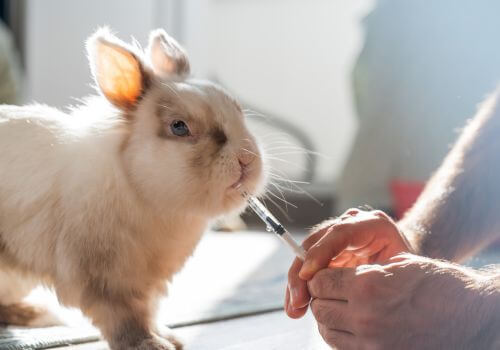
- Find the right veterinarian: Look for an exotic companion mammal veterinarian (often listed simply as “exotics”) who routinely treats rabbits.
- Spay/neuter: Spaying dramatically reduces the risk of uterine cancer in females; neutering reduces hormone-driven behaviors in males and can support smoother bonding.
- Parasites: Rabbits can get ear mites and fleas, and are susceptible to other parasites. Never apply dog/cat products without veterinary guidance.
- Vaccination: Ask about Rabbit Hemorrhagic Disease Virus type 2 (RHDV2) prevention in your area and whether vaccination is appropriate for your pet.
- Preventive care: Regular fecal checks, weight tracking, dental assessments, nail trims, and diet reviews help prevent common problems like GI stasis and malocclusion.
New to rabbit care or adopting soon? Schedule a baseline exam within two weeks so we can set you up for success! Call our team at University Animal Clinic at (941) 253-5218.
A Healthy Rabbit's Activity & Enrichment Needs
Rabbits are curious, clever, and active. They can get bored easil,y and this often drives digging and chewing in unwanted places. Mental Stimulation and activity can help curb these habits and keep your rabbit content.
Build in daily enrichment for your rabbit by:
- Movement: Provide safe tunnels, ramps, and platforms for climbing and hopping.
- Foraging: Hide hay in boxes, paper bags, or puzzle feeders. Rotate toys to keep interest high.
- Training: Many rabbits enjoy clicker training and can learn simple cues. Short, positive sessions are best.
- Chew outlets: Offer safe chew items (untreated willow, apple sticks, cardboard) to support dental wear and behavioral needs.
Our team can help you choose appropriate enrichment based on age, size, and temperament.
Rabbit Hygiene and Dental Care
All rabbits shed (often in cycles). Long-haired breeds may need daily brushing; short coats generally need at least weekly brushing, with more frequent sessions during heavy molts. Brushing reduces hair ingestion and GI risk. Never bathe rabbits; spot-clean as needed.
- Nail trims: Usually every 4–6 weeks. A cat-style trimmer works well; trim small amounts to avoid the quick.
- Tear staining/runny eyes: Can indicate dental or environmental issues—schedule a check if you notice changes.
- Rabbits' teeth continuously grow, but they don't typically need regular teeth trims. Their teeth alignment and high-fiber diet will allow them to wear down naturally.
A Few Rabbit Facts
We get asked often if rabbits are good pets for kids. Rabbits can be wonderful family pets, and do well with individuals and full families. It's critical to remember that prey animals with fragile spines should be handled gently and correctly, ideally under adult supervision. Many bunnies prefer to keep four feet on the ground and be petted rather than carried.
- Normal behaviors: Thumping (to signal alarm), binkies (joyful leaps), chinning (scent marking), and digging/chewing are all typical.
- Handling & body language: Support the hindquarters when lifting; watch for signs of stress like struggling, tooth grinding (pain), or hiding.
- Multi-pet homes: Calm, supervised introductions with cats or dogs are essential. Avoid predatory or high-prey-drive situations.
- Myths: Rabbits do not lay eggs, do not hibernate, and they are lagomorphs—not rodents.
How Do I Know If My Bunny Is Sick?
Rabbits often hide illness until it’s advanced.
If you notice any of these signs, make an appointment for your bunny to be seen:
- Lethargy, hiding, or a marked change in behavior
- Eating less or not at all, fewer or misshapen stools, diarrhea
- Tooth grinding (pain), drooling, wet chin, facial swelling
- Sneezing, nasal/eye discharge, head tilt, ear scratching
- Straining to urinate, red urine, urine scald, incontinence
- Hair loss, intense itching, scabs (possible mites/fleas)
GI stasis is an emergency. If your rabbit stops eating or producing stool, call (941) 253-5218 immediately.
Rabbit Care at University Animal Clinic
At University Animal Clinic, we are here to support you through your pet parent journey. Whether you’re setting up your first habitat, planning a healthy diet, navigating bonding, or noticing a potential health concern, our veterinary team is a trusted resource for rabbit care in Sarasota, FL. We offer wellness exams, spay/neuter counseling, dental and GI health guidance, parasite prevention, and urgent care for time-sensitive issues.
If you live in or near Sarasota, FL, and are looking for pet care, contact us at (941) 253-5218 to set an appointment. You can also email us at staff@uacvet.com. Our staff would love to talk with you!
Don't forget to follow us on social media: Facebook, Instagram.