
Most cats spend a good part of the day grooming, so it is no surprise that they swallow some hair along the way. In many cases, that hair passes through the digestive tract without causing a problem. But when it collects in the stomach instead of moving through normally, it can form a hairball. For cat owners, occasional hairballs may seem routine, yet frequent vomiting is never something to ignore.
If you have ever wondered why cats get hairballs, the answer usually starts with normal grooming behavior. The more loose hair a cat swallows, the greater the chance that some of it may clump together in the stomach. Understanding what is typical, what is not, and when to call your veterinarian can help you manage hairballs in cats more confidently.
What Are Cat Hairballs, Exactly?
Cat hairballs are clumps of swallowed hair that build up in the stomach and are usually vomited back up. Even though many people describe a cat as “coughing up” a hairball, the material is coming from the gastrointestinal tract, not the lungs. The episode may look dramatic because cats often retch, gag, and hunch over before bringing up the hairball.
Hair itself cannot be digested, so the body has to move it through the intestines or expel it by vomiting. Cats swallow loose hair while grooming, and that hair may stick together in the stomach to form a hairball, also called a trichobezoar. Many cats pass swallowed hair in the stool instead, which is why not every grooming cat develops visible hairballs.
Why Do Some Cats Get Hairballs More Often Than Other Cats?
Every cat grooms a little differently. Long-haired cats, heavy shedders, and cats that groom excessively may swallow more hair than others. Seasonal shedding can also play a role, especially during times of the year when cats are losing more coat. If your cat has itchy skin from fleas, allergies, or another skin problem, extra licking and overgrooming can increase the amount of hair swallowed.
This helps explain why cats get hairballs at different rates. One cat may rarely have a problem, while another seems prone to repeated episodes. Age, coat length, skin health, and grooming habits all matter. In many homes, owners begin noticing more frequent hairballs in cats when shedding increases or when an underlying skin issue makes grooming more intense than usual.
When Grooming Becomes Part of the Problem
Some cats groom more because they are itchy, stressed, or uncomfortable. In those cases, the hairball itself may not be the main problem. Instead, it may be a symptom of something else, such as fleas, skin irritation, pain, or behavioral stress. If your cat suddenly starts producing more hairballs than usual, your veterinarian may want to look beyond the stomach and consider what is causing the extra grooming.
That is one reason frequent vomiting should not be brushed off as “just hairballs.” A pattern change often matters more than a single episode. If your cat’s routine has changed, their appetite is off, or they are grooming excessively, it is worth having the issue checked sooner rather than later.
How Often Are Hairballs Normal in Cats?
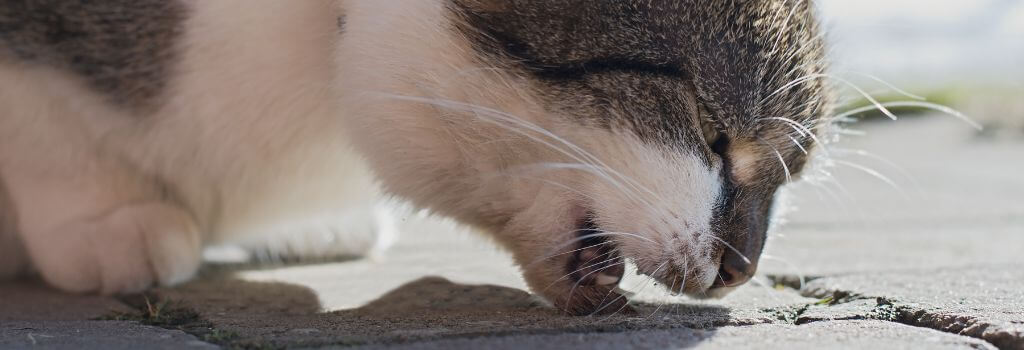
Occasional hairballs can happen in otherwise healthy cats, especially those with longer coats. Owners may sometimes see a tube-shaped clump of hair mixed with food or yellow fluid. A single episode in an otherwise bright, eating, and comfortable cat is usually less concerning than repeated vomiting over days or weeks.
What matters most is frequency and how your cat feels overall. If your cat is vomiting often, losing weight, eating less, acting lethargic, or having diarrhea along with hairballs, that points to something more than routine grooming. Repeated vomiting can sometimes signal gastrointestinal disease, a food issue, constipation, skin disease, or another medical problem that needs treatment.
Signs It Is Time to Call Your Veterinarian
- Hairballs or vomiting happen more often than usual or more than a couple of times a month
- Your cat seems tired, hides more, or is not acting like themselves
- Appetite drops or your cat refuses food
- You notice weight loss, dehydration, or abdominal discomfort
- Your cat is retching repeatedly but not bringing anything up
Can Hairballs Become Dangerous?
Most hairballs are more unpleasant than dangerous, but they can become serious in some cases. A large hairball can occasionally remain in the stomach or move into the intestines and create a blockage. When that happens, it becomes an emergency rather than a simple nuisance. A blocked cat may continue vomiting, stop eating, become painful, and grow weak or dehydrated.
This is why veterinarians pay close attention when a cat has persistent vomiting, anorexia, or signs of illness. A true obstruction usually does not look like a cat that simply brings up an occasional hairball and then goes back to normal. Instead, the cat often seems unwell in general. If your cat is repeatedly retching without producing a hairball, or vomiting and refusing food, prompt veterinary evaluation is important.
How to Help Prevent Hairballs in Cats
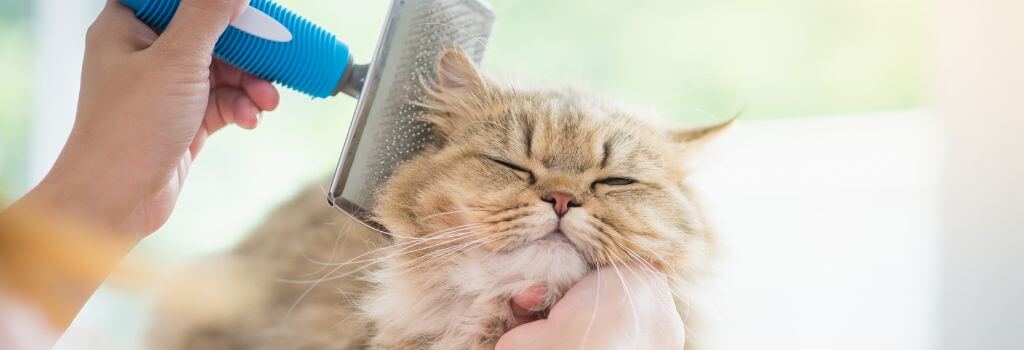
Preventing hairballs usually starts with reducing the amount of loose hair your cat swallows. Regular brushing can make a real difference, especially for long-haired cats or cats that shed heavily. The goal is simple: remove hair from the coat before your cat has a chance to ingest it during grooming. Keeping up with flea prevention and addressing itchy skin also matters because less licking usually means less swallowed hair.
Diet may help in some cats as well. Some hairball-control diets are formulated to support the movement of swallowed hair through the digestive tract so it can pass in the stool instead of building up in the stomach. Your veterinarian may also recommend a hairball remedy or lubricant in selected cases. These products are not right for every cat, though, and repeated vomiting should be evaluated before assuming home treatment is enough.
Helpful Home Strategies for Cat Hairballs
Simple routines are often the most useful. Brush regularly, keep parasite prevention current, and watch for changes in coat quality or grooming habits. If your cat has long hair, seasonal brushing may need to increase during heavier shedding periods. For cats prone to mild, occasional hairballs, these habits can reduce how often episodes happen.
Just as important, avoid guessing when vomiting is frequent. Not every episode of vomiting in cats is caused by hairballs, even if hair is present. Cats with inflammatory bowel disease, food sensitivities, constipation, parasites, or other gastrointestinal problems may also vomit. If your cat is having repeated issues, a veterinary exam helps determine whether the problem is really hairballs or something else entirely.
When Hairballs Need More Than Home Care
If your cat is vomiting hairballs regularly, your veterinarian may recommend an exam, a review of diet and grooming habits, and sometimes additional testing. The purpose is not only to treat the hairballs, but also to look for underlying causes such as skin disease, overgrooming, gastrointestinal disease, or an obstruction. That bigger picture matters because treatment works best when it addresses the reason the hairballs are happening in the first place.
Occasional hairballs may be part of life for some cats, but frequent vomiting is not something to normalize. A healthy plan may include grooming changes, diet adjustments, parasite control, or a veterinarian-recommended remedy. The earlier you step in, the easier it often is to keep your cat comfortable and prevent a more serious problem.
If you have questions, we would love to answer them for you. Please give us a call at the office at (941) 253-5218, or you can email us at staff@uacvet.com. Our staff would love to talk with you!
Don't forget to follow us on social media Facebook, Instagram.