Your cat may seem like it’s in purr-fect health, but did you know that cats are experts at hiding pain, discomfort, and other health problems? Thankfully, regular cat wellness exams present a perfect opportunity for veterinarians to review your cat’s overall health condition and catch any sneaky issues early on.
Wellness exams for cats aren’t just recommended by your veterinarian to keep you coming back to their office; they’re actually crucial elements of good and responsible cat ownership and should be prioritized by every owner. Not every cat owner is familiar with exactly what goes on during a wellness checkup, so we’re going to break down exactly what to expect the next time you bring your cat to the vet and share some tips on what you can do at home to keep your cat in great shape between vet visits.
Why Does My Cat Need Wellness Exams?
One of the primary benefits of a wellness exam is the potential for early detection of diseases and health issues, allowing for prompt treatment and potentially extending your cat's lifespan by catching issues before they become severe – and expensive. Early detection is vital for a cat’s overall well-being because it allows for timely intervention, often leading to more effective treatment options and better outcomes for your cat.
Ideally, we recommend that you bring your cat for a wellness exam annually, with more frequent visits – about every 6 months – for senior cats or those with specific health concerns, like diseases or chronic conditions.
What to Expect During Your Cat’s Wellness Exam
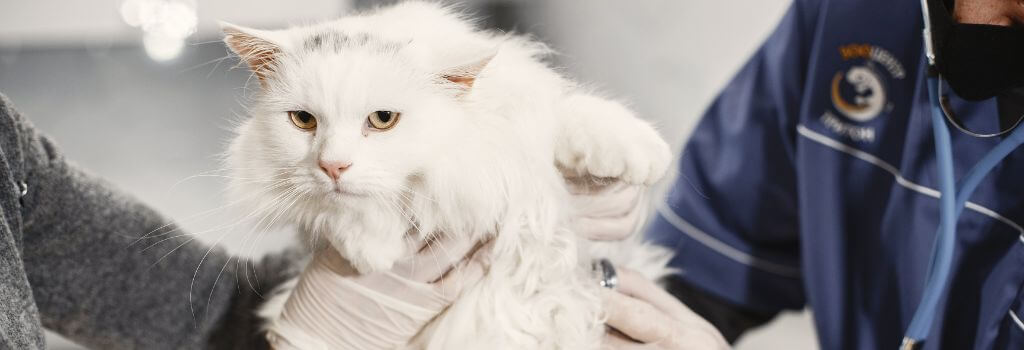
During a cat wellness exam, your vet will assess their eyes, ears, nose, mouth (including their teeth and gums), skin, coat, body condition, lymph nodes, heart rhythm, respiration, abdomen, and joints, while also asking questions about their diet, litter box habits, and activity level to get a complete picture of their health and behavior.
Thorough physical exams are important for ensuring that every part of a cat, from nose to tail, is in good condition. Because veterinarians look so closely at the cat’s entire body, these exams also allow for them to point out any minor areas of concern, like ear wax or tooth tartar buildup, that aren’t necessarily related to illness or disease, but can impact a cat’s overall health in the long term if left unaddressed.
In addition to physical examinations and assessments of the cat’s body, most wellness exams include lab work to compare against your cat’s baseline in order to determine if there are any health issues present or other causes for concern. A few commonly recommended lab tests for cats based on the findings of their physical examinations include:
- Bloodwork
- Complete Blood Count (CBC): Used to assess the status of red blood cells, white blood cells, and platelets to identify health concerns such as anemia, infection, inflammation, and even cancer.
- Blood Chemistry Profile: This work up is used to evaluate organ function, electrolyte levels, and metabolic status in order to determine the presence of kidney and liver issues, diabetes, and thyroid disorders, among other conditions.
- Urinalysis: Used to examine a cat’s urine for abnormalities and occurrences of urinary tract infections, kidney disease, diabetes, and crystals that may potentially lead to the development of bladder stones.
- Fecal Examination: This test examines the contents of a cat's fecal matter using a microscopic exam and flotation methods. Fecal examination is effective for detecting the presence of roundworms, hookworms, tapeworms, coccidia, and Giardia, which can cause gastrointestinal issues. For fecal exams, veterinarians will typically ask that you bring a sample of your cat’s fecal matter with you to your appointment to avoid invasive sample collection at the clinic.
- Feline Leukemia Virus (FeLV) and Feline Immunodeficiency Virus (FIV) Testing: The feline leukemia (FeLV) and FIV test is a blood test used to detect exposure to or infection of one of these viruses.
We recommend adding annual lab work to your cat’s annual visit plan as early as 6-8 years of age so that your veterinarian can better track any changes in your cat’s results and plan for early intervention if any issues are detected.
Cat Wellness Beyond the Annual Exam
As most owners know, cat wellness doesn’t begin and end with regular checkups. There’s a lot of work that needs to be done at home every single day to keep a cat in good health. A few of the things cat owners will need to do to ensure their pet’s wellness all year long include:
- Feeding an age-appropriate, nutrient-dense, and Association of American Feed Control Officials (AAFCO)-approved diet
- Providing constant access to clean, fresh water
- Engaging in play and allowing for ample exercise
- Keeping litterboxes clean and readily available
- Maintaining good dental hygiene by brushing teeth and providing treats and toys to support tooth and gum health
- Keeping up with grooming needs, like brushing, ear cleaning, and nail trimming
- Providing a clean and safe home environment, free from toxins and other dangers
- Limiting stress from other people, animals, or objects within the home
Accidents and emergencies can happen at any time, and there’s a good chance you’ll need to make a few vet visits outside of your cat’s wellness exams to address illness or injuries. If you notice changes in appetite, weight loss or gain, lethargy, excessive grooming, vomiting, diarrhea, difficulty urinating, hiding, aggression, unusual vocalizations, changes in sleeping patterns, or noticeable limping, you should bring your cat in for a visit ahead of their regular wellness checkup to ensure nothing serious is wrong.
If you think something is seriously wrong with your cat and believe it is an emergency that can’t wait for a regular appointment, get in touch with your family veterinarian as soon as possible to see if your cat can brought in to the clinic as an emergency walk-in or if your vet can recommend any reputable emergency or urgent care facilities in the area, depending on the nature of the emergency.
If you have questions and you'd like to reach out to us, you can call us directly at (941) 253-5218, or you can email us at staff@uacvet.com. Don't forget to follow us on social media Facebook, Instagram.