Raw food diets have become increasingly popular among pet owners, mirroring the human raw food trend. Many people believe that uncooked or homemade meals provide better nutrition for dogs and improve overall health. But before replacing your dog’s current food, it’s essential to understand what raw diets really mean, how they compare to traditional dog food nutrition, and what potential risks they carry.
Types of Raw Food Diets for Dogs
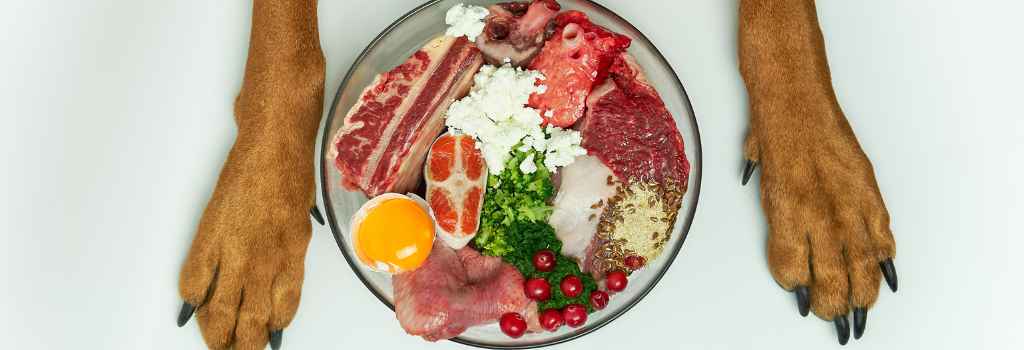
Raw diets come in several forms, and not all are nutritionally complete. Taking time to understand the different types of raw dog foods and their differences is crucial when evaluating whether they meet your dog’s nutritional requirements.
- Commercial raw diets: Usually frozen and marketed as balanced, these are designed to be convenient but may vary in quality and formulation.
- Homemade raw recipes: Prepared by pet owners, these require careful supplementation to ensure balanced dog nutrition long term.
- Commercial base mixes: These products combine grains and supplements that owners mix with raw meat to create a complete meal.
Fact or Fiction: Raw Food Is More Nutritious Than Commercial Dog Food
Fiction. Despite the growing trend, studies have shown that most raw diets are not nutritionally complete. Testing has revealed deficiencies in essential vitamins, minerals, and fatty acids. In contrast, commercially prepared diets are held to AAFCO (Association of American Feed Control Officials) standards and must meet established dog food nutrition facts for balance and safety. These foods undergo feeding trials to confirm their suitability for long-term use, unlike most raw diets, which are not tested.
Fact or Fiction: Dogs Can Tolerate the Bacteria in Raw Meat
Fiction. Raw food diets can pose significant health risks due to bacterial contamination. Studies have found pathogenic strains of E. coli and Salmonella in commercial raw diets. According to veterinary case reports, raw feeding has even been linked to Salmonellosis in pets. Approximately 20–25% of poultry sold for human consumption tests positive for Salmonella, which cooking normally eliminates. Uncooked pork often carries bacteria like Yersinia enterocolitica, and other parasites such as tapeworms and trematodes may also infect pets that consume raw meat.
Fact or Fiction: Raw Food Improves Pet Health
Fiction. There is no reliable evidence that raw diets provide better dog nutrition or extend lifespan. In fact, wild canines like wolves, often used as dietary models for raw feeding, have a much shorter lifespan than domesticated dogs. Dogs have evolved alongside humans for thousands of years, adapting to cooked foods and a variety of ingredients. Properly formulated commercial or nutrition-complete dog food supports a longer, healthier life.
Fact or Fiction: Cooking Destroys Nutrients
Fiction. While heat can alter the chemical structure of proteins, cooking actually makes many nutrients more digestible. For example, the albumin in egg whites becomes easier to digest after cooking. Heat also breaks down the cellulose in vegetables, allowing dogs to absorb more nutrients. Starches in carbohydrate sources gelatinize when cooked, making them more digestible and energy-efficient. Well-prepared, cooked meals often provide more accessible dog food nutrition than raw alternatives.
Balancing Dog Nutrition Safely
Meeting your dog’s nutritional needs requires more than just protein. Dogs rely on balanced levels of carbohydrates, fats, amino acids, vitamins, and minerals. Whether you choose a commercial diet or explore homemade dog food nutrition, it’s best to work with a veterinarian to assess dietary adequacy. Tools like a dog nutrition calculator or a homemade dog food nutrition calculator can help estimate nutrient levels, but veterinary guidance ensures accuracy and safety.
If your dog requires special care, such as dog nutrition supplements or therapeutic diets for allergies or chronic conditions, your veterinarian can recommend evidence-based products formulated for what your pet needs and to support your pet’s health. From nutrition dog food brands designed for complete balance to prescription formulations that meet specific needs, professional advice ensures optimal results.
Evidence-Based Feeding and Veterinary Guidance
Feeding raw or uncooked food without proper formulation can create significant nutrient deficiencies. Before you have your dog try out that new diet, ask yourself if your dog can eat and digest it. Veterinarians often encounter pets suffering from malnutrition, gastrointestinal issues, or bacterial infections caused by unbalanced raw diets. If you’re seeking better dog food nutrition facts, look for brands that conduct feeding trials and publish transparent ingredient analyses. Balanced, research-backed diets, whether commercial or homemade with professional oversight, are the foundation for lifelong health.
Your Veterinarian is the Expert
Before making any major dietary changes, consult your veterinarian or a board-certified veterinary nutritionist. They can assess your dog’s health, weight, and lifestyle to ensure their diet meets all dog nutrition requirements. Sudden or unplanned changes can cause gastrointestinal upset or long-term deficiencies, even in well-intentioned homemade diets.
Every pet deserves a safe and nutritious meal plan. If you’re considering switching to raw or homemade diets, speak with your veterinarian to develop a plan that keeps your pet’s meals balanced and their health on track.
If you have questions, we would love to answer them for you. Please give us a call at the office at (941) 253-5218, or you can email us at staff@uacvet.com. Our staff would love to talk with you!
Don't forget to follow us on social media Facebook, Instagram.