Pet obesity has become a serious – and dangerous – epidemic in the United States. According to a 2024 survey by the Association for Pet Obesity Prevention (APOP), approximately 22% of dogs and 33% of cats in the U.S. are classified as obese, with 59% of dogs and 61% of cats being overweight or obese when considering those with a Body Condition Score (BCS) of 6–9.
Despite these alarming statistics, many pet owners don’t even realize their pets are carrying extra weight – often until their veterinarian mentions something during a visit. Determining a healthy weight can be challenging, as pets with an ideal body condition often look leaner than most owners would expect. The good news is that awareness for pet obesity is improving. Research from APOP has shown that each year, more pet owners are taking their pet’s weight seriously, and fewer are underestimating their dog or cat’s body condition. After all, understanding and maintaining a healthy weight is one of the most important steps you can take to ensure your pet lives a long, happy, and healthy life.
The Problem With Having an Obese Dog or Obese Cat
Many people think fat cats and pudgy pups are cute, but consider this:
Overweight pets don’t feel good. Overweight pets often appear tired or lazy, lack energy and playfulness, are reluctant to jump or run, have difficulty grooming, lag behind on walks, and pant heavily. In addition, the extra weight puts stress on their joints, hearts, lungs, liver, kidneys, and other organs.
Overweight pets need more veterinary care. Overweight pets are at risk for a variety of health problems, including skin infections, high blood pressure, heart disease, immune suppression, diabetes mellitus, orthopedic and arthritic disorders, and some forms of cancer. These issues can greatly increase the amount of care the pet will need as a result of his or her weight.
Overweight pets do not live as long. It’s a sad fact, but possibly the most important one to consider: Most overweight pets experience a decreased life expectancy — up to two and a half years, according to APOP.
Weight loss is a simple answer to all of these problems. It can decrease the stress on joints (especially important for pets with arthritis), help facilitate examination and surgical procedures, improve cardiovascular function, enhance athleticism, and reduce or eliminate the need for certain medications required to manage medical disorders. In addition, it will help you spend less time and money at the vet!

How Much Should My Dog or Cat Weigh?
There is no one-size-fits-all answer to this question that I’m sure thousands of pet owners have plugged into Google or asked their veterinarian. When it comes to an ideal weight for a pet, there are a number of factors that can come into play and help determine what is healthy and suitable for them, as an individual. Breed, size, age, health status, activity level, and even individual genetics will impact what is considered a healthy weight for a cat or a dog.
When determining if your pet’s current size is healthy, the number on the scale shouldn’t be the only thing you focus on. How a dog or cat is built, as well as how much muscle or fat they carry, can tell us a lot about whether or not their current size is appropriate.
To address this, veterinarians will often use a Body Condition Score to assess a pet’s weight and build. Each score on the numeric scale can help veterinarians and owners identify whether a pet is underweight, ideal, overweight, or obese. This scoring system evaluates fat coverage, muscle tone, and overall shape rather than relying solely on weight. A healthy pet should have a visible waist when viewed from above and a slight tummy tuck when viewed from the side.
Our Top Tips On Weight Loss for Dogs and Cats
Could your pet stand to shed a few pounds? Help them slim down with these tips:
Get Your Veterinarian Involved in the Weight Loss Conversation
Working closely with your veterinarian is crucial to keeping your pet in good health – regardless of what they weigh. Many pet owners are shocked to learn what an ideal body weight for a cat or dog actually looks like. A veterinarian can help you assess your pet’s weight correctly and develop a plan of action, whether it’s helping them lose, gain, or maintain their current body weight.
Understand Your Pet’s Caloric Needs and Portion Food Appropriately
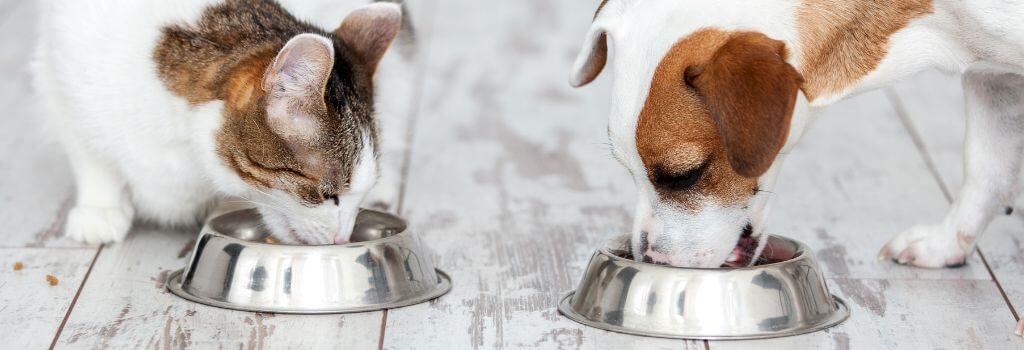
Knowing how many calories your pet needs is the first step to maintaining a healthy weight. Once you understand their daily caloric requirements, measuring their food becomes essential.
How much food do you feed your pet? A handful? A scoop? Something in between? Measuring your pet’s food allows you to keep track of exactly how much your dog or cat is eating and helps keep his or her intake consistent.
How Many Calories Should My Dog Eat?
Just like weight, there isn’t a universal answer for how many calories a dog should eat, because every dog is different and will have differing nutritional needs. The number of calories your dog needs each day depends on several factors, including age, weight, breed, activity level, and overall health.
- Adult Dogs: On average, adult dogs need about 30 calories per pound of body weight per day to maintain their weight. For example, a 30-pound dog would require roughly 900 calories daily.
- Puppies and Active Dogs: Growing puppies or highly active dogs require more calories to support energy and growth, sometimes twice the maintenance amount.
- Senior or Less Active Dogs: Older or less active dogs may need fewer calories to avoid weight gain, often about 20–25 calories per pound.
Always remember that individual dogs vary, so it’s important to work with your veterinarian to determine exactly what your dog needs to maintain a healthy weight and have the fuel they need for daily life.
How Many Calories Should My Cat Eat?
When it comes to how much to feed a cat, owners will need to pay close attention to calories and portions, as a cat’s metabolism functions a little differently than a dog’s does.
- Adult Cats: A typical adult cat needs roughly 20 calories per pound of body weight per day. So, a 10-pound cat would require about 200 calories daily.
- Kittens and Active Cats: Growing kittens and highly active cats need more calories to support their development and energy, sometimes up to 2–3 times the adult maintenance requirement.
- Senior or Less Active Cats: Older or sedentary cats need fewer calories, often around 15–18 calories per pound to prevent obesity.
Avoid Free Feeding
Free feeding, or having food available at all times, can encourage overeating, which will ultimately lead to weight gain. To prevent this, try meal feeding your pet instead. This means that your pet is fed at specific times of the day only, and whatever food is not eaten within 30 minutes should be picked up.
Give Treats Sparingly
While I’m sure we all love giving our pets some special treats for good behavior – or just because they’re so cute – treats can add a lot of extra calories to their diet, causing some sneaky weight gain. For dogs, vegetables like carrots and green beans are a great substitute for treats from a box or bag. For cats, try hiding treats around the house, encouraging the cat to “hunt” for his or her food.
Watch Out for “Human Food”
Feed “human” food appropriately. For dogs, we recommend feeding cooked vegetables and protein, like steamed broccoli and chicken breast, in addition to canned food or kibble. Foods high in fat, salt, and sugar should be avoided. Table scraps, such as fat trimmed off a steak, may cause severe indigestion, including vomiting and diarrhea. Keep in mind that some foods, such as onions, avocados, and grapes, are toxic to pets as well.
Exercise With Your Pet
Exercise with your pet regularly to help them burn off those pounds and some energy! Physical and mental stimulation are vital in keeping your pet happy and healthy, including keeping them slim. Take your dog for regular walks and play with your cat for at least five minutes twice daily.
If you have questions and you'd like to reach out to us, you can call us directly at (941) 253-5218, or you can email us at staff@uacvet.com. Don't forget to follow us on social media Facebook, Instagram.