
Did you bring home a new pet for the holidays? Welcoming a pet into your family can be incredibly exciting – but also a little stressful. After all, there’s so much that you need to do to help them get acclimated and ready for their new life with you.
Get a head start on a happy, healthy life together with these tips.
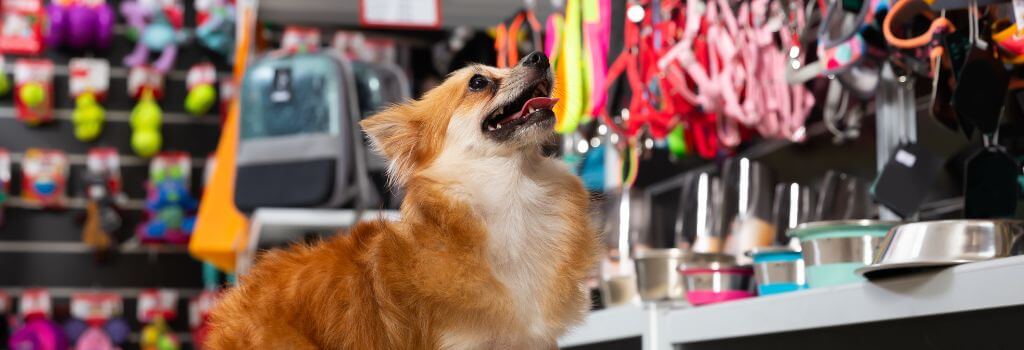
Get the Right Gear for Your Pet
In addition to picking out the perfect pet, you’ll need to stock up on a few basics to make those first days smoother, safer, and a lot less stressful. Here’s what new cat and dog owners should have ready from day one and what they should have on their shopping list for their next trip to the store:
Cat and Dog Essentials List
Pet Supplies You Need Day One
- Food (preferably what the pet was eating before to avoid tummy upset).
- Bowls (stainless steel or ceramic).
- Crate or carrier sized appropriately.
- Bedding/blankets that are washable.
- Collar, identification, and leash for dogs.
- Litter box + litter for cats; puppy pads for pups still learning about potty training
Other Pet Supplies to Have on Your Shopping List
- Toys: Chew toys, plush toys, and interactive toys to keep dogs busy; wand toys, balls, and scratching toys for cats.
- Grooming basics: Brush/comb, nail trimmers, pet-safe shampoo, and (for long-haired pets) detangling tools.
- Training and enrichment tools: Treats for positive reinforcement, puzzle feeders, scratching posts, or chew-safe bones.
- Pet-safe cleaning supplies: Enzymatic cleaner for accidents and gentle wipes for quick clean-ups.
- Baby gates or room dividers (optional): Useful for creating safe zones or blocking off no-go areas.
- Carriers: Appropriately sized, pet-safe carriers will be important for travel or transporting your new pet to and from the vet.
Pet Proof Your Home
Before bringing your new pet into your home or apartment, it’s important to pet-proof the space to ensure it's safe for them and avoid unnecessary emergencies or accidents. Younger pets, like puppies and kittens, will especially want to explore once they get used to their new surroundings, and neglecting to properly pet-proof your house can lead to them chewing on or ingesting dangerous objects, getting stuck in hard-to-reach places, or even slipping out of the house unnoticed.
To get started on pet-proofing your house, be sure to:
- Hide electrical cords: Use cord protectors or tuck them behind furniture to prevent chewing.
- Secure trash cans: A locking lid or placing them in a cabinet keeps pets out of harmful foods and sharp objects.
- Remove or relocate toxic plants: Lilies, poinsettias, philodendrons, and many common houseplants can be dangerous if eaten.
- Store medications and cleaning products: Keep them in high cabinets or behind childproof locks.
- Check holiday décor: Tinsel, ribbon, candles, ornaments, and string lights are major hazards for new pets.
- Pick up small objects: Buttons, batteries, kids’ toys, hair ties, and other tiny items can easily become choking hazards.
- Block off unsafe areas: Use baby gates or closed doors to prevent access to stairs, garages, or storage rooms.
- Create a safe space: Set up a designated quiet area where your pet can rest, decompress, and avoid overstimulation.
- Secure windows and screens: Make sure they close properly and don’t have gaps that a small but determined pet could squeeze through.
- Check furniture and hideaways: Kittens love climbing inside recliners, behind appliances, and into small nooks—do a quick sweep before using or moving anything.
Visit Your Veterinarian ASAP
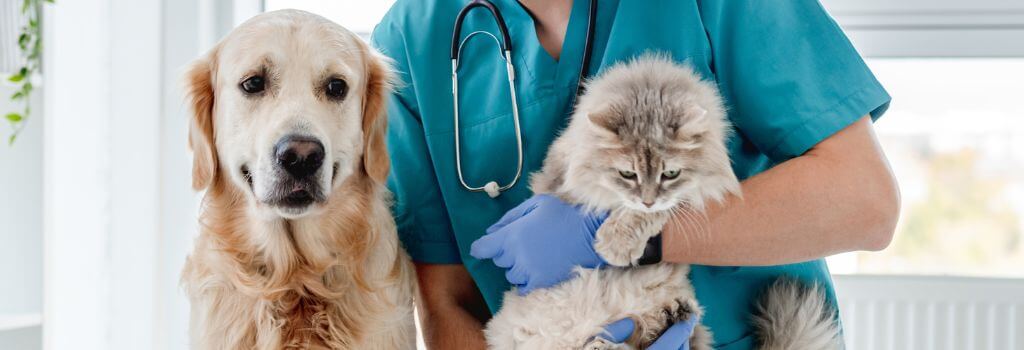
If you’ve adopted your new pet from a shelter, chances are they have already been vaccinated, neutered, and microchipped. However, that first round of basic care isn’t enough; it’s still important to follow up with a visit to your veterinarian to make sure your pet is completely up to date on everything they need. For your new pet’s first vet appointment, it’s recommended to start off with a wellness exam to get your pet introduced to the veterinarian and to help you understand your pet’s current health status.
Full nose-to-tail wellness exams typically include an assessment of your pet’s heart, lungs, eyes, ears, mouth, skin, and haircoat, as well as overall body palpation, allowing your veterinarian to determine a baseline for your pet’s health status and identify any potential problems. Your veterinarian may also update any necessary vaccines or recommend lab tests, such as blood work, urinalysis, or a fecal screening, at this time.
This initial wellness visit is also a great opportunity to discuss your pet’s at-home care with your veterinarian and have any initial care questions answered. At this appointment, consider asking questions about or discussing your plans for:
- Nutrition
- Weight management
- Exercise needs and plans
- Behavior
- Training
- Grooming
- Preventive care
Get Proper ID & Register Your Pet’s Microchip
Pet microchips are tiny devices placed just under the skin and are linked to a unique identification number. Veterinary hospitals, animal shelters, and humane societies across the United States and Canada use scanners to read these microchips and help reunite lost pets with their families.
If you’ve adopted your new pet from a rescue or shelter, there’s a good chance that they have already been microchipped. However, microchipping alone is not enough. You must also register your pet’s microchip with the manufacturer and keep your contact information current, especially if you move to a new address or change your phone number.
To register an existing microchip, you will need to contact the manufacturer directly to provide your contact information. If you do not know the manufacturer of your pet’s microchip, the American Animal Hospital Association’s Universal Pet Microchip Lookup Tool can help. This online resource searches most major pet microchip registries and identifies the correct manufacturer using your pet’s microchip number. Not sure what your pet’s microchip number is? Bring your pet to our hospital, and we will gladly scan them and help you take the next steps.
If your pet has not been microchipped, we can do this during your first veterinary visit! The process takes just a few minutes and is generally well tolerated, even by puppies and kittens. We can also help register the microchip immediately, giving you peace of mind from day one.
Consider Pet Insurance
There's no time like the present when it comes to insuring a pet — especially if you've got a new puppy or kitten! While most pet health insurance policies cover a wide range of ailments, you should be aware that pre-existing conditions can limit your pet's coverage options, so it's best to start as early as possible.
Pet insurance works much like health insurance for people. You pay a monthly or annual premium, which is typically based on your pet’s species, breed, and age. If your pet becomes ill, injured, or needs a medical procedure, your insurance provider reimburses a portion of the eligible veterinary costs, depending on your specific plan.
One of the biggest benefits of pet insurance is the peace of mind it provides. When a serious injury or major illness occurs, such as a broken bone or a cancer diagnosis, insurance can help reduce the financial stress and allow you to focus on your pet’s care rather than the cost of treatment.
Not sure if pet insurance is right for you? We're happy to weigh in. Your veterinary team can provide valuable information about your new pet's current health status and potential risks to help you determine whether insurance might be a worthy investment.
Congratulations on your new addition! If you have questions and you'd like to reach out to us, you can call us directly at (941) 253-5218, or you can email us at staff@uacvet.com. Don't forget to follow us on social media Facebook, Instagram.