
Monitoring your dog or cat's resting (sleeping) respiratory rate is one of the simplest and most effective ways to keep tabs on their heart and lung health at home. When tracked routinely, these numbers can reveal early changes in heart disease, respiratory conditions, or fluid buildup in the chest — often before more obvious symptoms appear. This information about your pet's breathing rate also helps your veterinary team determine whether your pet's condition is stable or if medication adjustments may be needed.
In this blog, we'll cover how you can measure your pet's respiratory rate at home in a few simple steps, as well as how to use a free phone app to make things even easier.
Why Cat and Dog Resting Respiratory Rate Matters
A sleeping respiratory rate offers one of the clearest snapshots of how well the heart and lungs are functioning. For healthy pets, a normal respiratory rate for dogs and a normal respiratory rate for cats is typically less than 36 breaths per minute at rest.
Each pet will have their own baseline, which is why regular monitoring is helpful. A pattern of higher numbers, or a gradual upward shift over several days, can be an early indication that the body is compensating for strain.
These changes in breathing rate may appear before coughing, fatigue, or labored breathing develop, helping owners catch on to respiration issues early. With early intervention, we can adjust medications as needed and prevent a stable condition from progressing into respiratory distress. Routine monitoring at home is a great practice to adopt as part of a pet's care routine that can help owners catch issues early and give veterinarians the data they need to make care decisions for each individual pet.
When to Take a Dog or Cat's Respiratory Rate
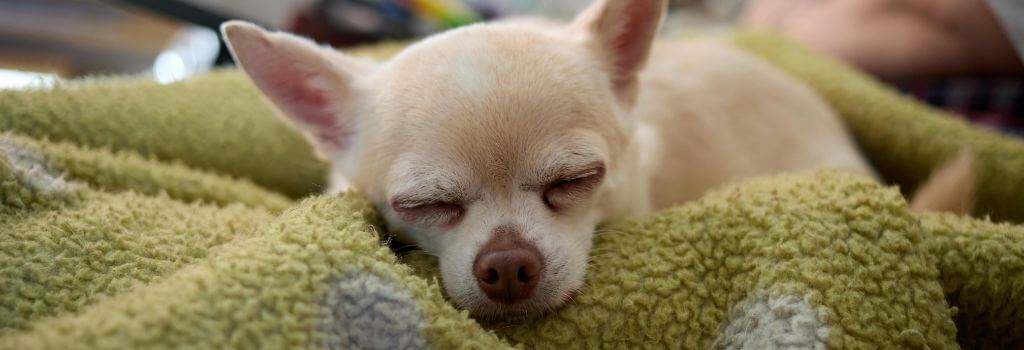
For best practice, it is recommended that owners take a cat or dog's respiratory rate at least once per day. The respiratory rate is most accurate when taken while your dog or cat is sleeping soundly and not dreaming or moving around too much. When a pet is awake or active, stress, excitement, or exercise can temporarily speed up breathing, resulting in an inaccurate representation of the pet's breathing rate. If your cat or dog was doing intense physical activity before rest (like running or playing), their respiratory rate may be elevated, so it may be a good idea to give them some time to calm down and measure their respiratory rate at another time.
How to Take Your Dog or Cat's Respiratory Rate at Home
You can take a dog or cat's respiratory rate at home with no special equipment. Taking these measurements routinely also helps you learn what is normal for your individual pet, which makes it easier to recognize early signs of concern.
Here's how to get started:
- Watch your pet's chest rise and fall. One full rise and fall equals one breath.
- Count the number of breaths in 30 seconds.
- Multiply that number by 2 to calculate breaths per minute.
Repeat the measurement if your pet moves, shifts position, or seems restless. A relaxed, steady breathing pattern provides the most dependable result. Accuracy is important when determining if your pet's respiratory rate is normal or a cause for concern, so be sure to follow each of the steps outlined above and don't be afraid to restart if you get off track or miscount.
Tracking Respiratory Rate With the Cardalis App
Technology has made tracking your pet's respiratory rate and sharing important data with your veterinary team even easier. A free mobile app, Cardalis, offers an easy way to track trends over time and keep your pet's respiratory data trends all in one place. The app is available on both the Google Play Store for Android and the App Store for iOS.
Setting up the Cardalis app and sharing data with your vet
- Download Cardalis from the Google Play Store or Apple App Store.
- Open the app, then tap the small gear icon in the lower right corner.
- Enter your pet's name.
- If your veterinarian has requested to see your pet's respiratory rate trends, enter your veterinarian's name and email address for easy report sharing.
- At the end of each month, open "Breathing Rate Graph," tap "Email," and send your veterinarian your pet's data, if requested.
Using the app to measure breathing
- Tap "Monitor" when your pet is asleep.
- Each time your pet takes a breath in, tap the heart icon.
- The app automatically calculates the respiratory rate and plots it on the graph.
- If the reading exceeds 36 breaths per minute, the app will alert you to contact a veterinarian.
If you think the rate was falsely elevated, recheck in 10 to 15 minutes. If you are concerned or if your pet shows signs of distress, call your veterinarian or local emergency pet hospital if it's after hours.
When to Contact a Veterinarian About Your Pet's Respiratory Rate
Changes in a pet's resting respiratory rate can be one of the earliest signs that the heart or lungs are struggling. Conditions such as congestive heart failure, fluid accumulation around the lungs, asthma in cats, chronic bronchitis in dogs, or worsening cardiac disease often begin with subtle increases in breathing rate long before other symptoms appear. Because changes in a pet's respiratory rate and breathing pattern can be subtle, owners may not realize something is wrong until the condition becomes urgent. Tracking respiratory rate helps us identify these problems early, when treatment is more effective, and pets are more comfortable.
You should seek veterinary care for your pet if:
- Your pet's sleeping respiratory rate is consistently above 36 breaths per minute.
- You notice a persistent upward trend over several days.
- Your dog or cat shows coughing, increased effort to breathe, open-mouth breathing (cats), blue-tinged gums, restlessness, or fatigue.
These signs can indicate that the heart or lungs are under strain and that medical intervention or a change in treatment plans is necessary. Timely changes in treatment can make a meaningful difference in comfort and long-term health for our pets, so if something seems to be amiss or if your dog or cat is breathing too quickly or too slowly, it's always better to get in contact with your veterinarian than to wait.
If you have questions and you'd like to reach out to us, you can call us directly at (941) 253-5218, or you can email us at staff@uacvet.com. Don't forget to follow us on social media Facebook, Instagram.