
Feline asthma is a common respiratory condition in cats that shares a number of similarities with the human form of asthma that many of us are familiar with. In cats, asthma occurs when the airways become inflamed and constricted, often in response to allergens or irritants.
Environmental factors, as well as stress, can play a significant role in triggering or worsening asthma symptoms in cats, so properly managing a cat’s environment is a great way to reduce their symptoms and make them feel more comfortable. In this guide, we’ll explore practical strategies for modifying your cat’s environment, reducing stress, improving air quality, and monitoring your cat’s health at home.
Understanding Environmental Triggers for Feline Asthma
The first step in addressing asthma in cats is understanding what triggers it and causes symptoms. Many common triggers of cat asthma are found primarily in their environment and cause allergic reactions when inhaled, resulting in clinical signs of asthma. Cigarette smoke, dust, pollen, and even scented products like candles or incense can all be triggers depending on the individual cat and their sensitivities.
To minimize your cat’s exposure to common environmental triggers at home, try to:
- Avoid smoke and strong scents: Keep your cat away from cigarette smoke, incense, and heavily scented candles. These can irritate the lungs and provoke asthma attacks.
- Reduce dust and pollen exposure: Frequent vacuuming and keeping your cat indoors during high pollen seasons can help better manage their asthma symptoms and avoid unnecessary exposure. Pay attention to areas where dust tends to accumulate, such as carpets, curtains, and bedding.
- Improve air quality: Consider using a HEPA air purifier in the rooms where your cat spends the most time. HEPA filters can capture airborne particles that may worsen asthma symptoms, so removing them from the air regularly can greatly improve your home’s air quality and lessen the chances of an asthma flare-up.

Stress Reduction and Routine Management
Stress doesn’t just affect humans — it can also exacerbate asthma in cats! Cats thrive on routine, so minimizing unnecessary changes in their environment is essential for maintaining respiratory health.
Ways to reduce stress for your cat include:
- Keeping a consistent daily routine: Feeding, playtime, and interactions should happen around the same time each day. Sudden changes can be stressful and may trigger asthma symptoms.
- Providing enrichment and exercise: Interactive toys, food puzzles, feather wands, and laser pointers encourage mental stimulation and physical activity. Regular play can reduce anxiety and promote overall well-being.
- Offering safe spaces: Make sure your cat has quiet, easily accessible areas to retreat to when stressed. This can be especially helpful during loud events like thunderstorms or fireworks.
- Litter box management: Ensure you have enough litter boxes (number of cats + 1) in easily accessible locations. Switching to low-dust or alternative litters, such as compressed paper pellets, corn-based litter, or special low-dust clay litter, can also reduce respiratory irritants.
For more ideas on indoor enrichment for cats, visit the Indoor Pet Initiative, which offers creative ways to keep cats mentally and physically stimulated.
Fighting Feline Asthma With Proper Hydration
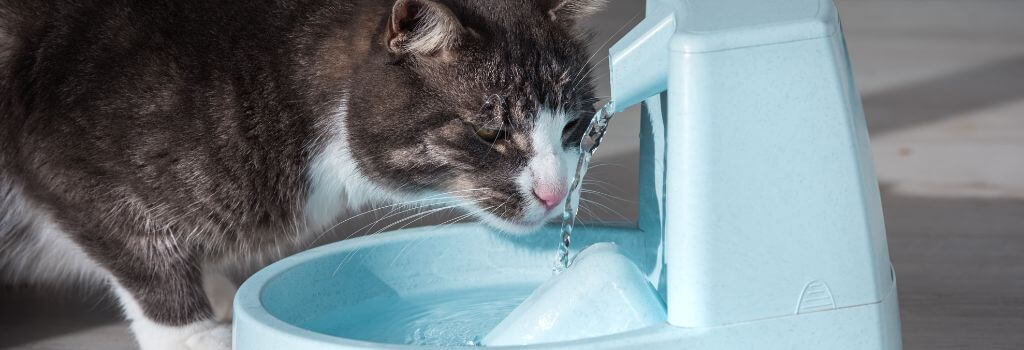
Maintaining proper hydration is another simple, yet often overlooked, factor in asthma management for cats. Fresh water should be available at all times to encourage proper hydration and good drinking habits. If your cat struggles to drink or is chronically dehydrated, offering more sources of water around the house, as well as utilizing bowl alternatives, can be helpful. In fact, some cats prefer running water from a cat fountain, which can encourage them to drink more and help keep their airways and overall health in better condition.
Monitoring Feline Asthma at Home
Even with careful environmental management, it’s important to monitor your cat at home for signs that their asthma may not be under control. Spotting these changes early can allow your veterinarian to intervene sooner and help them better manage current symptoms before their condition progresses into something more painful or dangerous.
Common signs of uncontrolled asthma include:
- Difficulty breathing
- Breathing through the nose or mouth
- Coughing or producing a low-grade “huff” (often mistaken for a hairball)
- Rapid or shallow breathing
Monitoring your cat’s respiratory rate:
- Observe your cat while they are at rest or sleeping.
- Count the number of chest rises and falls over 15 seconds (one rise and fall = one breath).
- Multiply this number by 4 to get breaths per minute.
Normal cat respiratory rates:
- Sleeping: ≤ 40 breaths per minute
- Awake but at rest: ≤ 50 breaths per minute
You can track your cat’s respiratory rate using apps like Cardalis to monitor trends over time. If you notice elevated breathing rates or other concerning signs, contact your veterinarian immediately to set up an examination.
If you have questions and you'd like to reach out to us, you can call us directly at (941) 253-5218, or you can email us at staff@uacvet.com. Don't forget to follow us on social media Facebook, Instagram.