
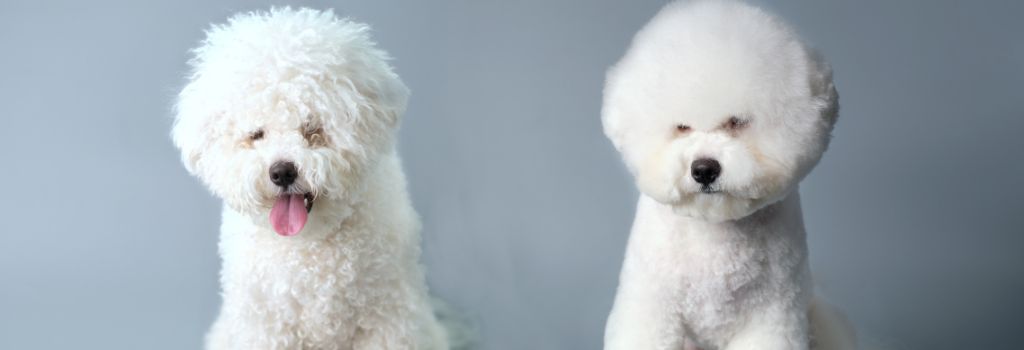
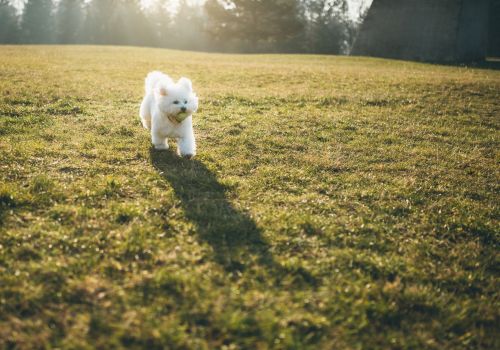
If you’re the proud parent of a Bichon Frise or are thinking about welcoming one into your home, you’re in for an endlessly entertaining experience. These cotton ball-like pooches are not just adorable; they’re also charming, funny, and packed with personality. Let’s dive into the world of the Bichon Frise and discover what makes them so irresistibly lovable!
Top Traits That Will Make You Swoon:
- Quirky Performers: A Bichon is a natural entertainer with plenty of quirky antics up her furry sleeve.
- Busy Bees: Alert, curious, and always up to something, Bichons have an insatiable curiosity.
- Family Fanatics: These pups absolutely adore human companionship and fit perfectly in family settings.
- Adventurous Spirits: Always on the move, they love exploring the world around them.
- Friendliness Galore: It’s hard to find a Bichon that isn’t downright sociable.
- Kid & Pet Friendly: Great around both children and other animals.
The Quirks to Prepare For:
- Housetraining Hurdles: These little ones can be tricky to housetrain.
- Nervous Nippers: They can get a bit snappy when they're anxious.
- Attention Seekers: They love to be the center of your world.
- Lonely Hearts: Separation anxiety can be an issue if they're left alone for too long.
- Grooming Galore: Their coats need regular love and attention.
- Barky Bunch: They sometimes express themselves a little too vocally.
The Enchanting History of the Bichon Frise
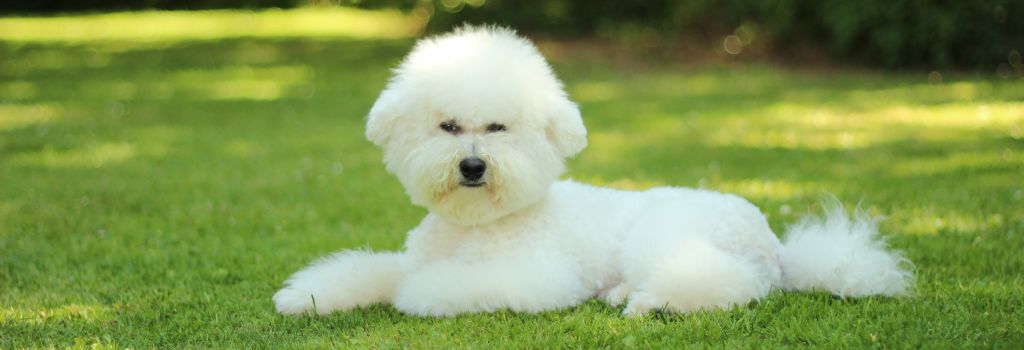
Transported from the Mediterranean by Spanish sailors during the 13th century, these charming canines soon became darlings of French and Italian nobility. Bonus history tidbit: Bichons were actually renowned trick-performing circus dogs!
Your Furry Friend's Health & Longevity
Generally, Bichons are robust little critters with an impressive lifespan of 14-16 years. However, they can be prone to some genetic conditions like liver shunts and cataracts. Regular vet visits for early diagnosis are key to ensuring a long, healthy life.
Worth it? You betcha!
Bichons are walking bundles of joy who love nothing more than to show off their latest trick or snuggle up on your lap. If you're looking for a pup that will make every day feel like a circus (in the most entertaining way possible), a Bichon might just be the fluffy companion of your dreams!
Genetic Predispositions for Bichon Frises
Heart Health in Bichons: Keep That Pitter-Patter Strong!
Bichons are little bundles of joy, but did you know that these fluffy companions are prone to heart issues? Regular vet check-ups that listen for heart murmurs and abnormal rhythms are crucial. Diagnostic tests like X-rays, ECGs, and echocardiograms could be on the agenda, depending on risk factors. The good news? Early detection often allows for medication that can keep your Bichon prancing for years! Also, keeping those pearly whites clean and maintaining a healthy weight can be your best allies in preventing heart disease.
The Sneaky Patent Ductus Arteriosis
Imagine a tiny vessel in your Bichon's heart that forgot to close up after birth. This oversight leads to something called Patent Ductus Arteriosis, which can cause a bunch of issues ranging from mild symptoms to coughing and even hind limb weakness. The silver lining? Your vet can usually hear this issue with a stethoscope. If diagnosed, surgery could be a life-saver.
Heart Failure in Golden Years
As Bichons age, they become susceptible to heart valve disease, sometimes leading to heart failure. We're talking about valves that don't close as they should, causing extra strain on the heart. If you notice symptoms like fatigue or coughing, your vet can help figure out how severe it is. The earlier it's caught, the better the chances of managing it with medication and even lifestyle changes like dental care and dietary supplements.
Liver Love: Know About Portosystemic Shunt (PSS)
Bichons have a higher likelihood of developing a liver disorder known as PSS. Basically, the liver misses out on essential blood flow, impairing its function. If your pooch isn't growing as he should or has seizures, tests like liver function tests and even ultrasound may be needed. Depending on severity, treatment options range from dietary changes to surgery.
Cloudy Days: Cataracts in Older Bichons
Your older Bichon may develop cataracts, turning their lens cloudy. While this can be alarming, remember that dogs adapt incredibly well to vision loss. However, if you want to go the extra mile, surgery is also an option to restore their sight.
Glaucoma: An Urgent Eye Emergency
Glaucoma can be a fast-moving and excruciating condition that requires immediate attention. The symptoms can be subtle but look out for signs like squinting and watery eyes. Early diagnosis and treatment are key, so if you suspect glaucoma, seek emergency care pronto!
All About Blood: Uncommon but Serious Conditions
Our Bichon friends are vulnerable to some rare blood diseases like Hemolytic Anemia and Thrombocytopenia, where the immune system starts attacking its own cells. Symptoms include lethargy and unusual gum color. Quick diagnosis and treatment, often including steroids and sometimes even transfusions, are vital for recovery.
Knee Care: Those Tiny Kneecaps Need Attention Too!
If your Bichon is hopping or skipping during walks, it could be a sign of patellar luxation—a fancy term for a kneecap that slips out of place. Mild cases might just require arthritis meds, but severe ones may need surgical intervention.
Bladder or Kidney Stones: The Uninvited Crystals in Your Bichon's System
When your doctor checks your buddy's health, they’ll routinely test their urine to look out for these painful bladder stones. And here's the big red flag— if your pet has blood in their urine or struggles to urinate, pick up that phone and call the vet ASAP! This is a medical emergency you don't want to ignore.
Allergies: When Your Bichon Itches to Scratch
Bichon’s can be susceptible to allergies and get itchy skin. We call this "atopy," and it's something you'll often see affecting their feet, belly, skin folds, and ears. If you notice your Bichon licking their paws, rubbing their face, or getting frequent ear infections, you're probably dealing with an allergic pup. Don't worry; we have a range of treatments to make your Bichon more comfortable.
The Sugar Struggle: Diabetes in Bichons
If you find your Bichon eating and drinking more but losing weight, don't just brush it off. Diabetes mellitus is sadly more common in Bichons than other breeds. With diabetes, daily insulin injections become a part of your dog's routine. It's a serious commitment, but with proper management, your diabetic Bichon can have a life expectancy similar to other healthy dogs.
Hemangiosarcoma: The Silent Tumor
This one's a bit of a tongue-twister and, unfortunately, it's a serious issue. Hemangiosarcoma is a type of bleeding tumor that can sneak up on you. These tumors can be huge before showing any signs and are often discovered too late. Regular senior wellness checks, including blood tests and ultrasound, can be lifesaving.
Epilepsy: When Your Bichon's Brain Takes a Detour
Epilepsy can be an alarming subject for dog owners. Seizures in your Bichon can be caused by a range of issues, from metabolic problems like low blood sugar to more severe conditions like brain tumors. If your dog does have a seizure, make sure you take immediate steps to ensure their safety and call your vet. Lifelong medication is often the course of action to control seizures.
Joint Troubles: Dysplasia in Bichons
If your Bichon starts to limp or struggle to get up, pay close attention— he could be showing signs of hip dysplasia or elbow dysplasia. This condition is genetic and leads to improperly developed joints, resulting in arthritis. The sooner we diagnose it, the sooner we can start managing your pup's pain. Keep an eye out for stiffness, especially as your Bichon gets older.
Legg-Calve-Perthes Disease: The Mysterious Hip Issue
Young Bichons may be susceptible to a perplexing degenerative hip condition, which usually kicks in between six and nine months of age. The condition causes the hip to become brittle and easily fractured— certainly something we want to avoid! If your young Bichon starts limping or shows signs of pain, consult your vet immediately. Surgery is often required.
Spinal Cord Injuries: A Sensitive Spot for Bichons
Last but not least, Bichon Frises are more prone to spinal cord injuries in the neck due to instability in their top two neck vertebrae. If your pup suddenly shows hesitation jumping or going upstairs, or vocalizes in pain without a clear reason, he could be in significant discomfort. Immediate medical attention is a must. To keep the strain off your Bichon's neck, consider using ramps or steps from puppyhood.
If you have questions and you'd like to reach out to us, you can call us directly at (941) 253-5218, or you can email us at staff@uacvet.com. Don't forget to follow us on social media Facebook, Instagram.