
Every year, millions of pets across the US go missing, leaving a trail of worried pet parents and heartbroken families. July is National Lost Pet Prevention Month, a time dedicated to raising awareness and empowering pet owners to keep their furry companions safe. As veterinarians, we witness the devastating effects of lost pets firsthand, but we also have the privilege of being on the front lines of reuniting lost pets with their families.
Losing a pet is a nightmare scenario. The good news? Most of these tragedies are preventable. This guide will equip you with the knowledge and tools to keep your beloved dog or cat safe and sound at home.
Microchipping: A Crucial Step in Preventing Lost Pets
Imagine this: Your dog escapes through a broken fence, or your terrified cat darts out the door during a thunderstorm. Panic sets in, but then you remember you’ve already taken an important step to protect your furry friend — having them microchipped. The tiny rice-sized chip implanted between your pet’s shoulder blades is a vital lifeline because it holds a unique identification number linked to your contact information.
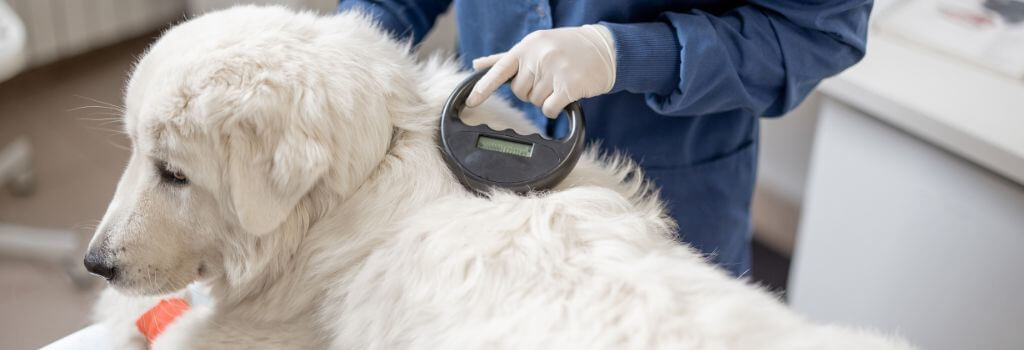
Haven’t had your pet microchipped yet? Here’s why you should:
When a lost pet is scanned for a microchip by a veterinarian or animal shelter, this number instantly reveals their owner, vastly increasing the chances of a happy reunion. The microchipping process is quick and painless, similar to a routine vaccination. Once implanted, the microchip stays with your pet for life, unlike collars or tags that can get lost or fall off. Remember to keep your contact information current with the microchip registry to ensure a successful reunion.
ID Tags: A Secondary Layer of Protection
While microchipping is the ultimate form of identification, a collar with clear, legible ID tags provides a secondary layer of protection. Ensure the tags include your pet’s name, your name, and your current phone number. A brightly colored collar with reflective material can make your pet more visible during nighttime walks, adding even more safety.
Escape-Proofing Your Home
Microchips and ID tags are important, but keeping your pet safe at home is always the best option.
Here are some tips for escape-proofing your home:
For Dogs: Inspect your fence for gaps, loose boards, or areas your dog might be able to squeeze through. Double-check gates to ensure they close securely. When spending time outdoors, keep your dog leashed when near exits or unfamiliar areas. For particularly escape-prone dogs, consider building a secure run.
For Cats: Cats are notorious escape artists, so vigilance is key. Secure window screens and balcony railings. Consider using cat fencing to allow outdoor access while keeping them safely contained.
Training and Behavior Management
A well-trained pet is less likely to bolt. Basic obedience training, including a strong recall command, can be a lifesaver. Address any underlying anxieties that might trigger escape attempts. Separation anxiety can manifest as destructive behavior or wandering. Desensitization techniques and crate training can help ease your pet’s anxiety when left alone. Similarly, loud noises like fireworks or thunder can spook pets, so work on desensitization strategies to prevent noise-induced escapes.
Travel Safety
Traveling with your pet? Invest in a secure carrier that meets airline regulations. Double-check that your pet is microchipped and has updated ID tags. Never let your pet off-leash during rest stops or unfamiliar environments. Always pack an extra leash just in case yours gets lost or damaged during your adventures.

Additional Preventative Measures
Keep a recent photo of your pet on hand for “Lost Pet” flyers and to share on social media if your pet ever goes missing. Consider pet insurance to help cover unexpected vet bills following your pet’s escape. Schedule regular checkups with your veterinarian, too. We can discuss preventative measures, address behavioral concerns, and make sure your pet is healthy and happy.
What to Do if Your Pet Goes Missing
The sinking feeling of a lost pet is indescribable.
Here’s what to do if the unthinkable happens:
- Act Immediately: Don’t wait! Thoroughly search your immediate surroundings. Call out your pet’s name and check their favorite hiding spots.
- Spread the Word: Time is of the essence. Create “Lost Pet” flyers with clear photos and detailed contact information. Post them in your neighborhood and share them widely on social media.
- Contact Everyone: Get in touch with animal shelters, veterinary clinics, and local authorities. Let local friends know your pet is missing and ask them to keep an eye out.
- Stay Positive: Losing a pet is incredibly stressful, but don’t give up hope. Many pets are reunited with their families even after extended periods. Focus your energy on searching and spreading the word.
What to Do If You Find a Lost Pet
Finding a lost pet can be a heartwarming experience, but you may be unsure what to do.
Here’s how you can help:
- Secure the Animal Safely: Approach the animal cautiously and avoid startling them. Offer food and water. Carefully attach them to a leash or place them in a secure area, and check for an ID tag.
- Reunite Them with Their Family: If the pet has an ID tag, use the information to try to contact the owner. If not, contact animal shelters and local authorities. Inform them that you found a lost pet and describe any identification you found. Shelters have access to microchip registries and lost pet reports, which can help locate the owner quickly.
Conclusion
National Lost Pet Prevention Month serves as a powerful reminder: prevention is key. The heartache and stress of a lost pet are entirely avoidable in most cases by taking proactive steps. Microchipping, escape-proofing your home, and proper identification are your first lines of defense. Regular veterinary checkups allow us to discuss pet safety and ensure your furry friend is healthy and happy.
As veterinarians, we’re here to support you every step of the way. Let’s work together to ensure every lost pet gets the happy ending they deserve.
If you have questions and you'd like to reach out to us, you can call us directly at (941) 253-5218, or you can email us at staff@uacvet.com. Don't forget to follow us on social media Facebook, Instagram.