
When your veterinarian recommends bloodwork or a urine test, it is natural to wonder if it is really necessary, especially if your pet seems healthy. The reality is that these tests provide valuable insight into your pet’s health that cannot be seen during a physical exam alone.
One of the most important benefits of routine lab work is establishing a baseline. By understanding what is normal for your pet when they are healthy, your veterinarian has a point of comparison if your pet becomes ill in the future. This makes it easier to detect changes early, often before visible symptoms develop.
Why Is Lab Work Important for Pets?
Dogs and cats are very good at hiding pain, which means illness can go unnoticed until it has progressed. Bloodwork and urinalysis help uncover underlying conditions earlier and give your veterinary team a more complete picture of your pet’s overall health.
- Detect disease before symptoms appear
- Establish normal baseline values for your pet
- Monitor changes in organ function over time
- Support early treatment and better outcomes
When used alongside a physical exam, lab work allows your veterinarian to make more informed decisions about your pet’s care.
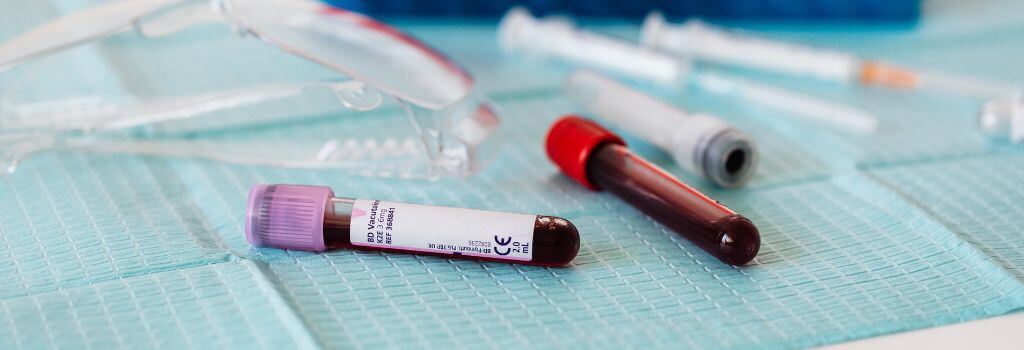
When Is Lab Work Recommended?
There are several common situations where bloodwork and urine testing are recommended. Each serves a different purpose, but all help ensure your pet receives safe and effective care.
Routine Wellness and Baseline Testing
For healthy pets, lab work is often recommended during annual or semi-annual wellness visits. Establishing baseline values early in adulthood allows your veterinarian to track trends over time and identify subtle changes as your pet ages. This becomes especially important in senior pets, when the risk of disease increases.
Before Starting Medications
Some medications can affect the liver, kidneys, or other systems. Testing before starting a new medication helps ensure it is safe for your pet and provides a baseline for monitoring while they are on treatment.
Before Surgery or Anesthesia
Pre-anesthetic bloodwork is commonly recommended before procedures such as surgery or dental cleanings. These tests help confirm that your pet’s organs are functioning properly and allow your veterinarian to choose the safest anesthesia plan.
When Your Pet Is Sick
If your pet is not feeling well but the cause is not immediately clear, lab work helps identify what may be happening internally. It can guide diagnosis, determine severity, and support the development of an appropriate treatment plan.
What Can Bloodwork Tell Us?
Blood tests evaluate several important aspects of your pet’s health, including organ function, blood cell counts, and metabolic status. The exact tests performed may vary, but routine screening can provide insight into many conditions.
- Kidney and liver function
- Blood cell counts and immune response
- Blood sugar and metabolic balance
- Signs of infection or inflammation
- Hormonal imbalances
- Exposure to toxins
Bloodwork can help identify conditions such as diabetes, kidney disease, liver disease, endocrine disorders, and more. In many cases, these conditions can be managed more effectively when detected early.
Common Blood Tests Your Veterinarian May Recommend
- Complete Blood Count (CBC): Evaluates red and white blood cells and can help detect infection, anemia, or immune concerns
- Chemistry Panel: Assesses organ function, including the liver, kidneys, and pancreas
- Electrolytes: Measures hydration and helps identify imbalances that can affect overall health
What Can a Urinalysis Show?
Urine testing provides additional information that complements bloodwork and helps create a more complete picture of your pet’s health.
- Kidney function and hydration status
- Urinary tract infections
- Bladder stones or crystals
- Glucose levels related to diabetes
- Signs of inflammation or disease in the urinary tract
Because bloodwork and urinalysis evaluate different aspects of health, they are often recommended together for the most accurate assessment.
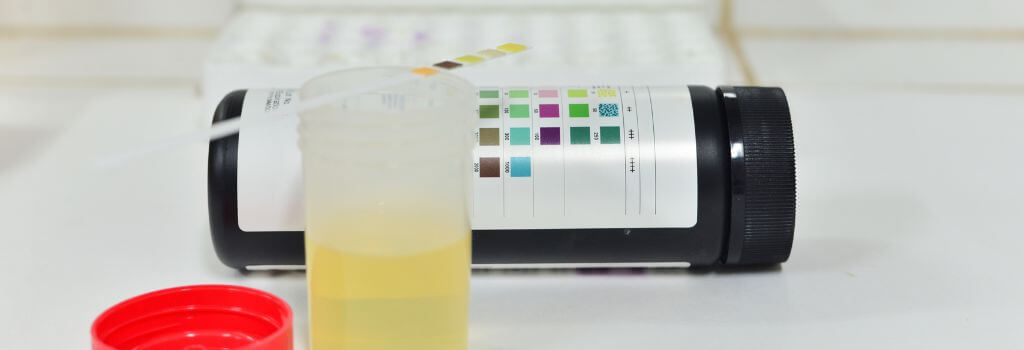
How Are Blood and Urine Samples Collected?
Blood samples are typically collected using a small needle from a vein, most often in the leg or neck. The process is quick and generally well tolerated by most pets. Some pets may feel mild discomfort, but it is brief.
Urine samples can be collected in several ways depending on the situation. This may include a free-catch sample, where urine is collected during normal urination, or a more controlled method performed by your veterinary team. Your veterinarian will choose the method that provides the most accurate results for your pet’s needs.
Why Baseline Testing Matters
One of the most valuable aspects of routine lab work is establishing what is normal for your pet. Every dog and cat is slightly different, and having baseline values allows your veterinarian to recognize even small changes over time.
When a pet becomes ill, these comparisons can help identify problems earlier, guide treatment decisions, and improve overall outcomes. In many cases, changes in lab values occur before visible symptoms, making routine testing an important part of preventive care.
Partnering With Your Veterinarian
If your veterinarian recommends bloodwork or urine testing, it is because they need more information to fully understand your pet’s health. These tests are an important tool in both prevention and diagnosis.
If you have questions about what tests are being recommended or why they are needed, your veterinary team is there to guide you. Staying proactive with routine lab work is one of the most effective ways to support your pet’s long-term health and well-being.